
Applied : Dissecting The Impact of AI
Gallery

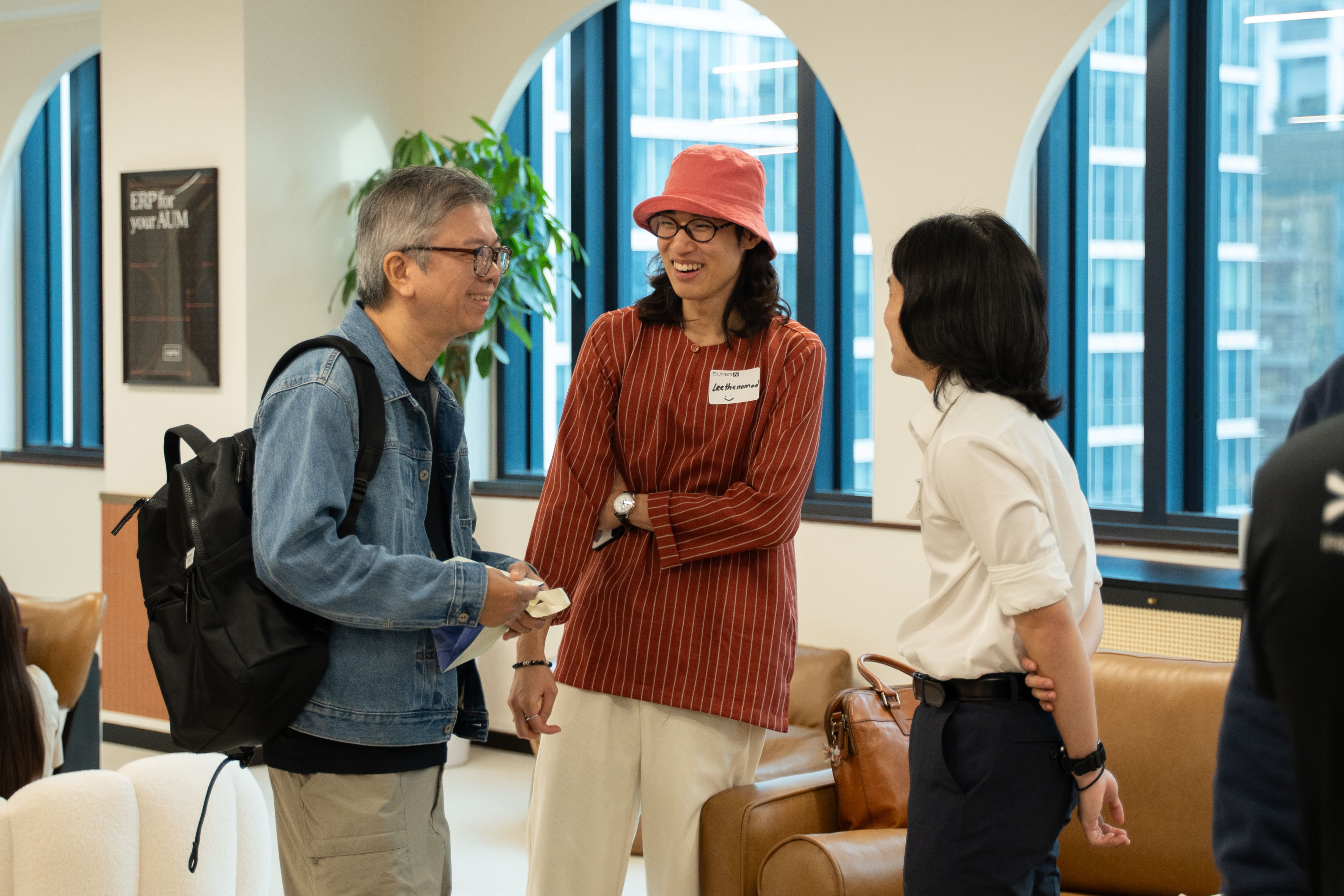
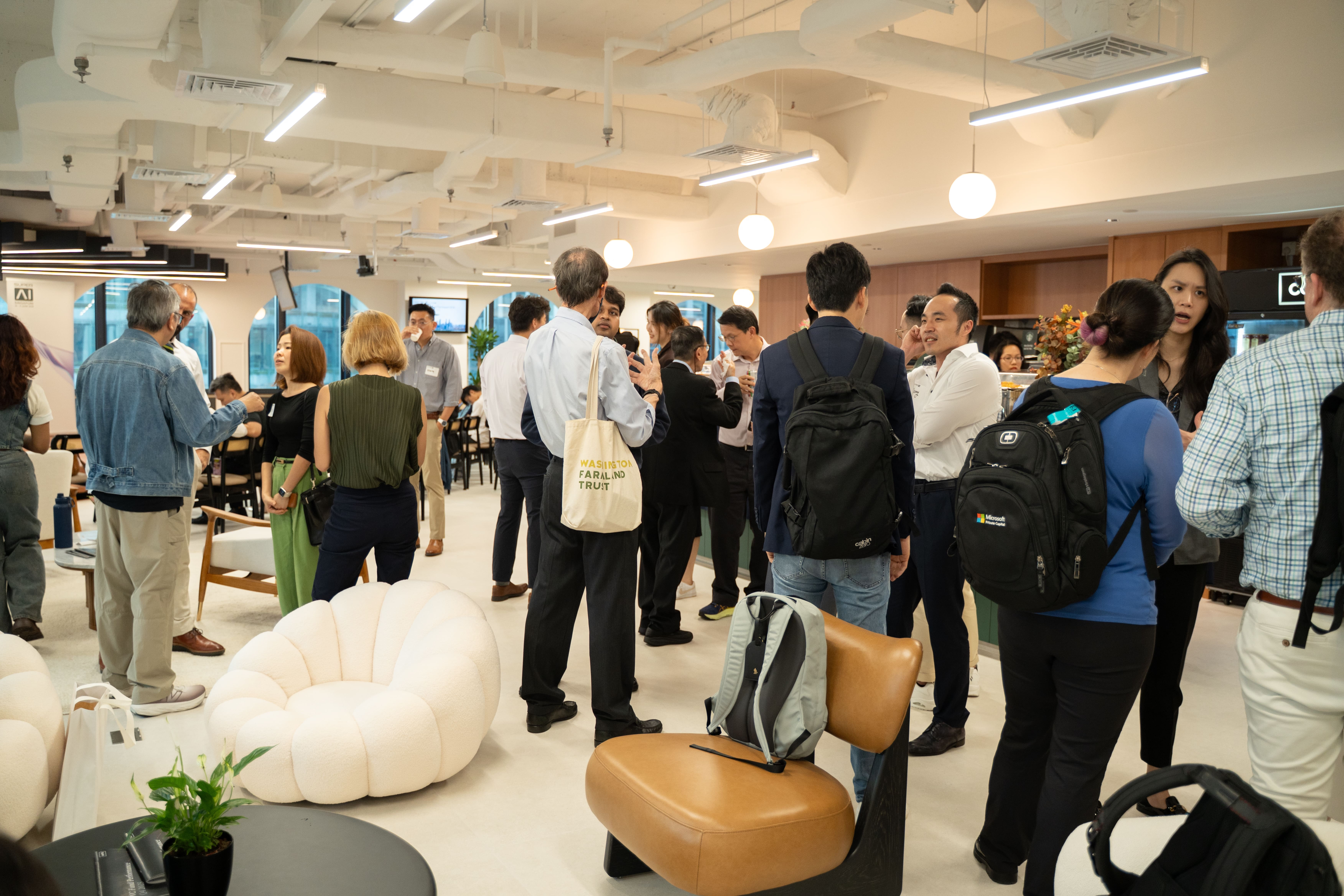

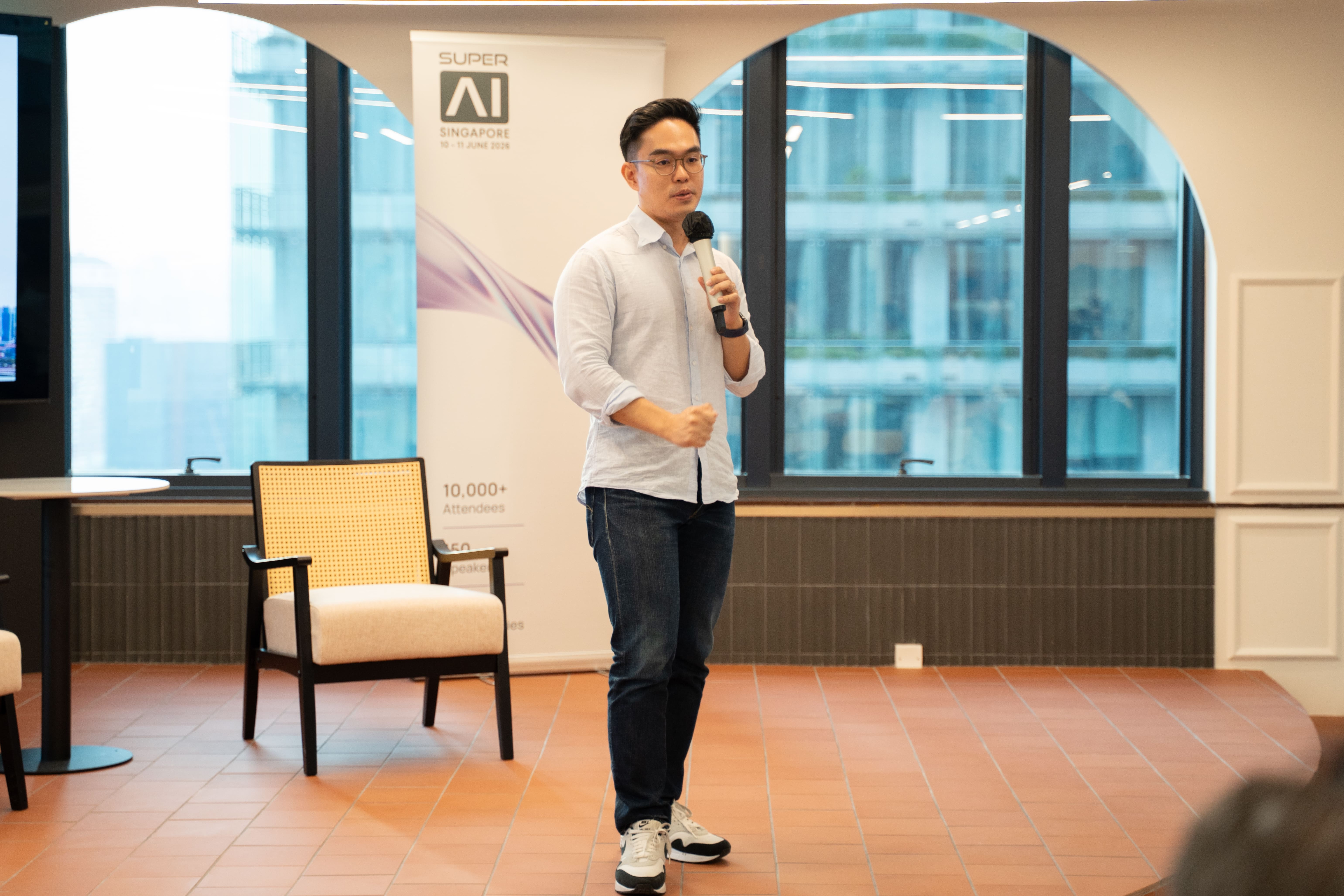


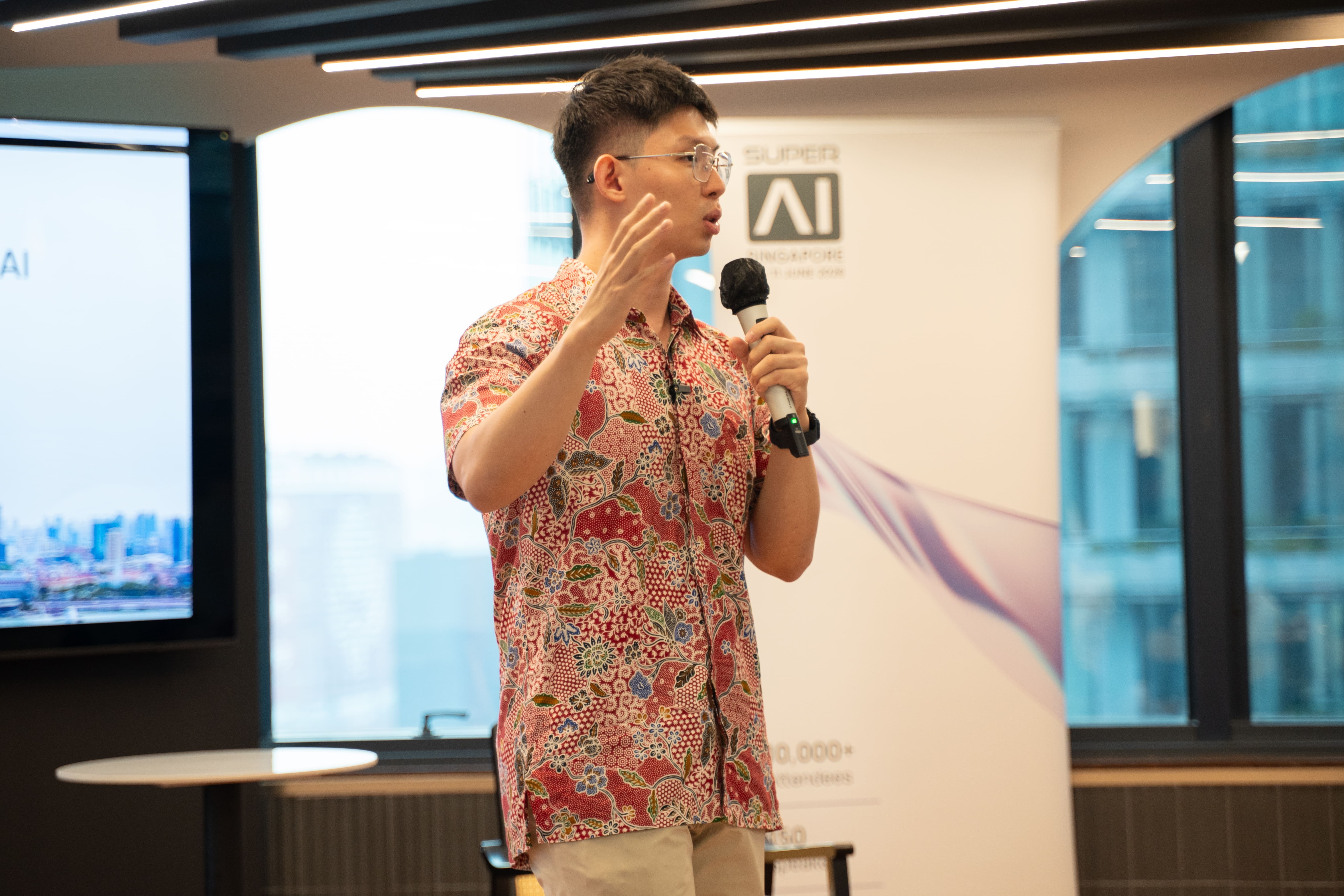
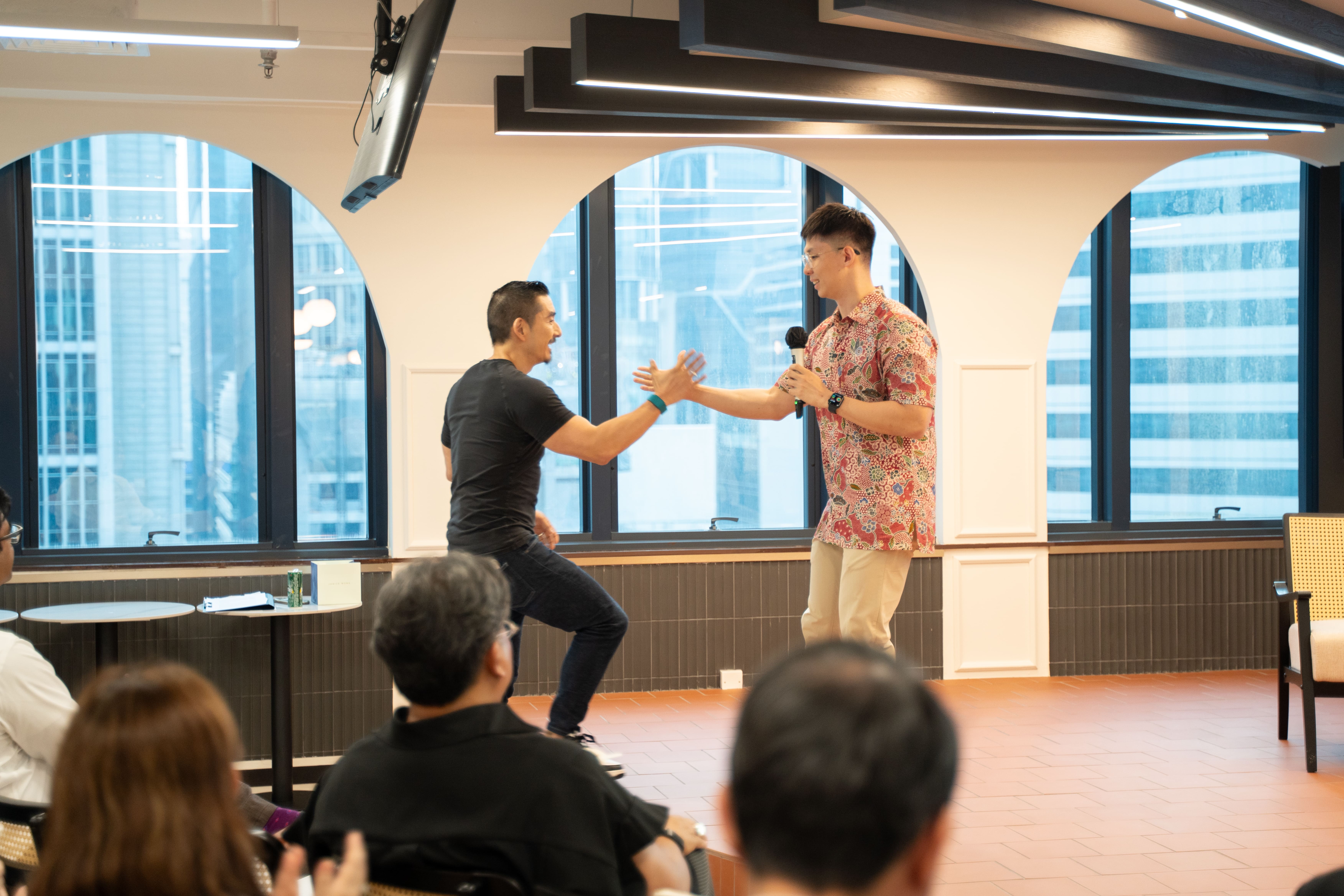
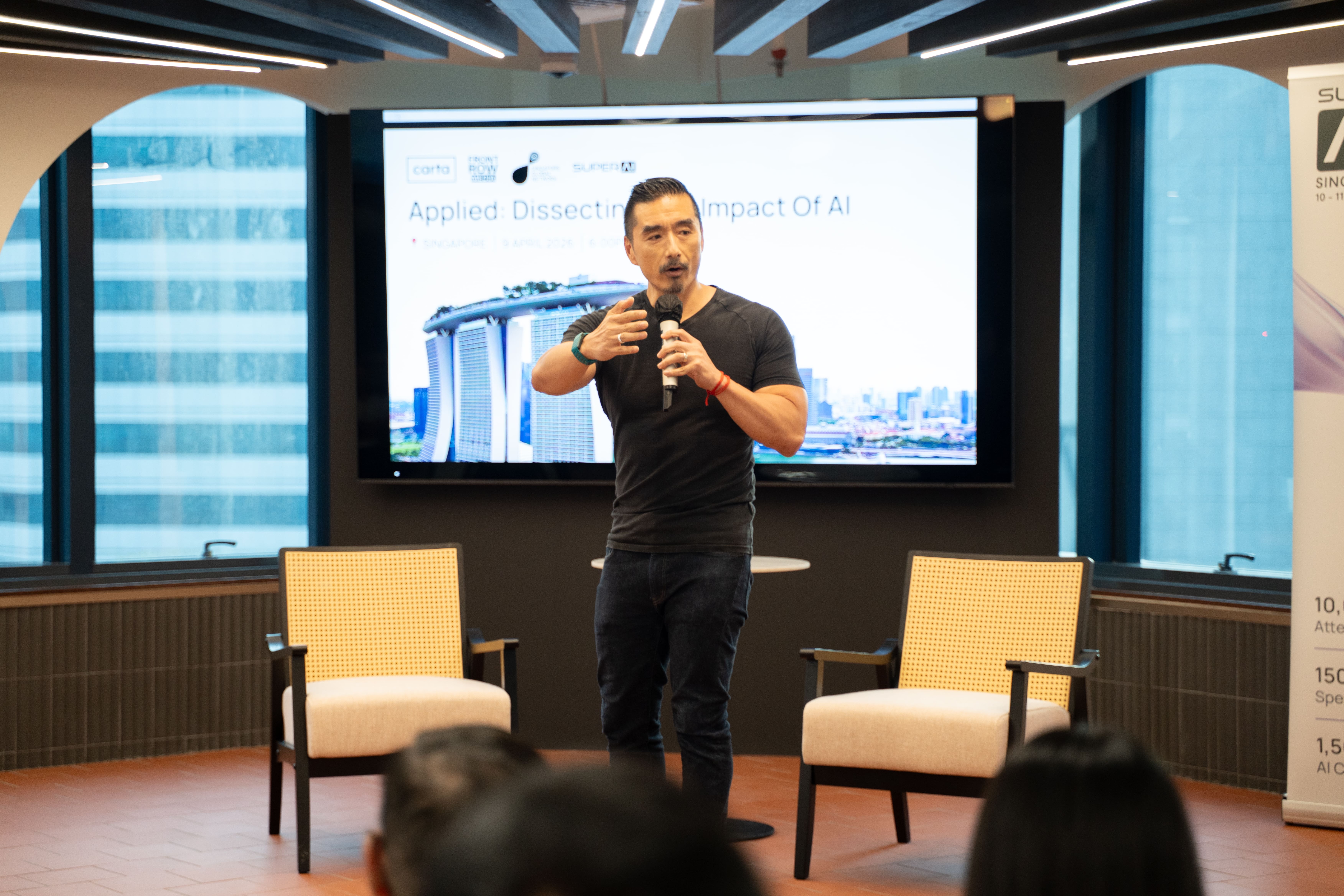
SuperAI and the Singapore Global Network, in partnership with Front Row Media, hosted an executive forum in Carta's Singapore office, bringing together leaders working at the forefront of applied artificial intelligence. The session focused on how AI is being deployed today across healthcare, public infrastructure, and capital allocation, moving beyond theory into real-world implementation.
The evening featured a series of fireside conversations with Professor Dean Ho, Director of the N.1 Institute for Health at NUS, Chang Sau Sheong, CTO of GovTech Singapore, and Dimitra Taslim, Managing Director at Granite Asia. Across the discussions, a common theme emerged: AI is no longer about static optimisation or abstract models, but about managing dynamic systems that evolve in real time.
In healthcare, Professor Ho shared how AI-driven approaches are enabling truly personalised treatment, moving beyond population averages to patient-specific interventions. From dynamic dosing in cancer therapy to longitudinal tracking of individual health data, the conversation highlighted both the potential and the resistance that comes with shifting established medical paradigms.
From the public sector perspective, Chang Sau Sheong provided an inside view into how AI is being adopted within government systems at scale. The discussion covered the realities of building and maintaining critical digital infrastructure, the tradeoffs between building and buying technology, and the challenges of introducing AI into systems that serve millions of users daily. A key focus was how institutions think about capability, ownership, and long-term resilience as AI becomes embedded in core services.
From an investment lens, Dimitra Taslim explored where value is actually being created in the AI ecosystem. The conversation moved beyond headline trends to examine how different layers of the AI stack are evolving, and where regions like Singapore can play a meaningful role. Rather than competing at the frontier model layer, the discussion pointed toward opportunities in orchestration, integration, and real-world deployment across industries.
Across all three conversations, the tension between moving quickly and deploying responsibly remained central. Whether in medicine, public infrastructure, or venture investment, the speakers emphasized that the challenge is no longer access to AI, but knowing how to apply it effectively in complex, real-world environments.
The session brought together business leaders, policymakers, and operators for a candid look at what applied AI actually looks like in practice, and what it takes to translate ambition into meaningful outcomes.