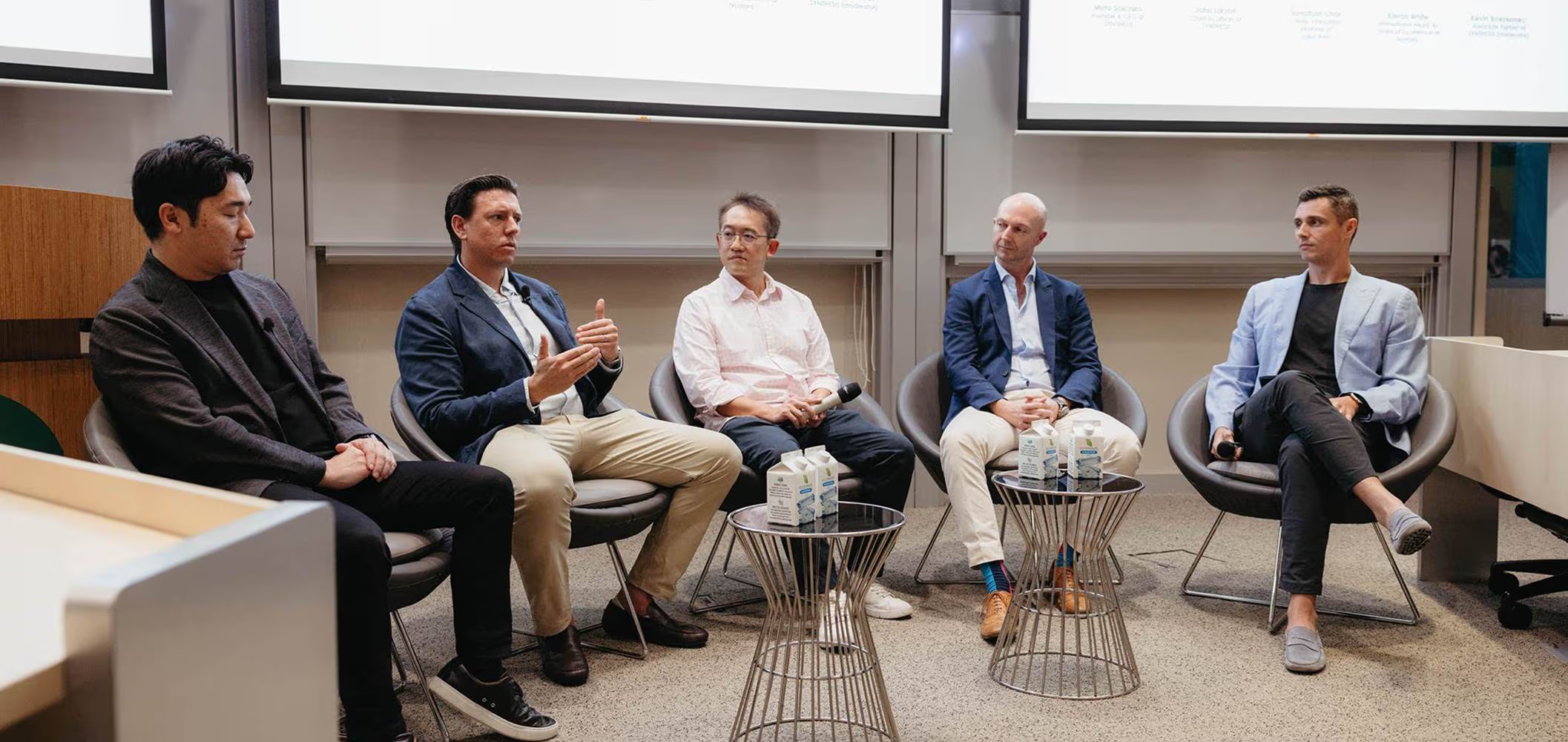
Beyond Pilots: Turning AI into Real Business Outcomes in Financial Services
Gallery
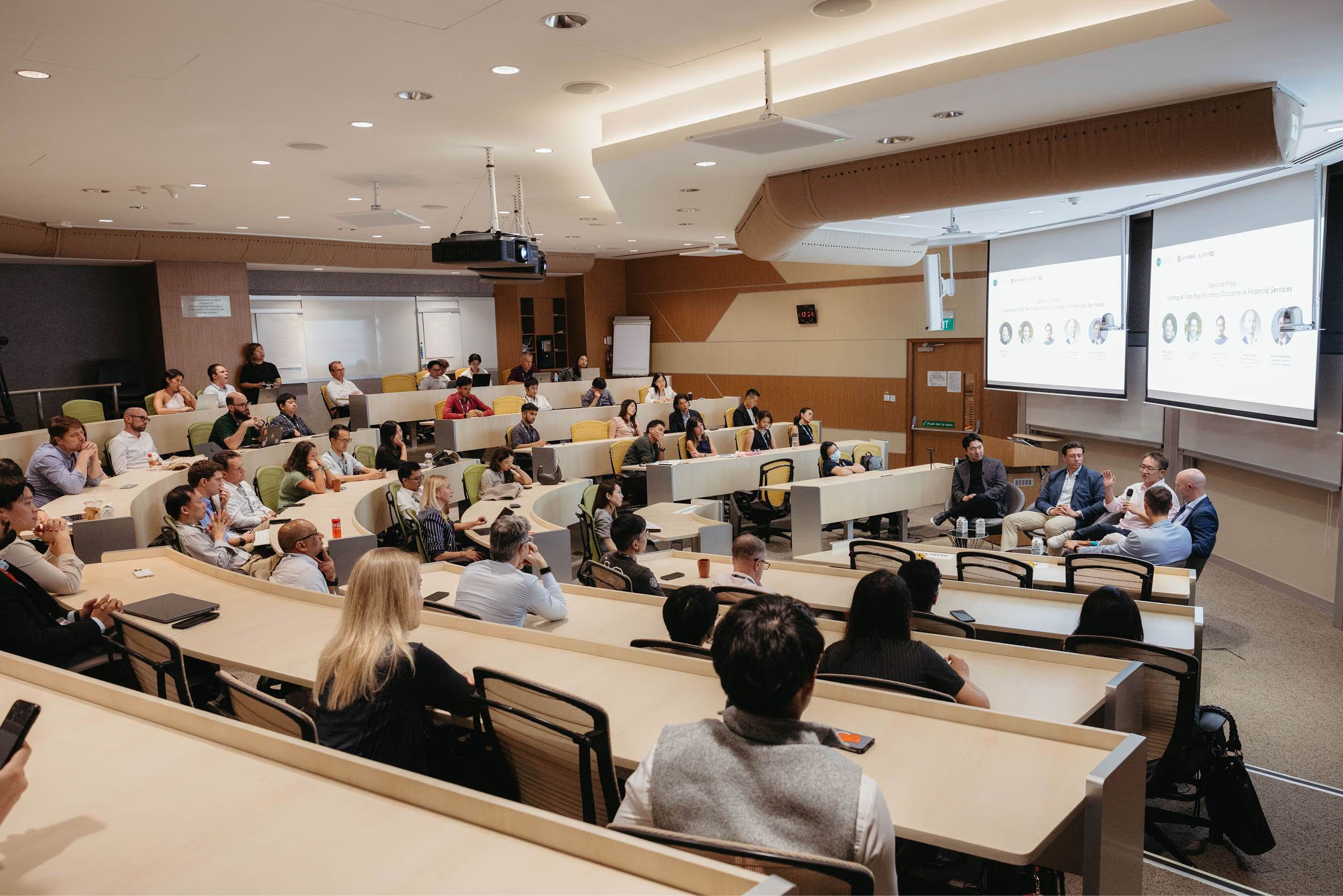
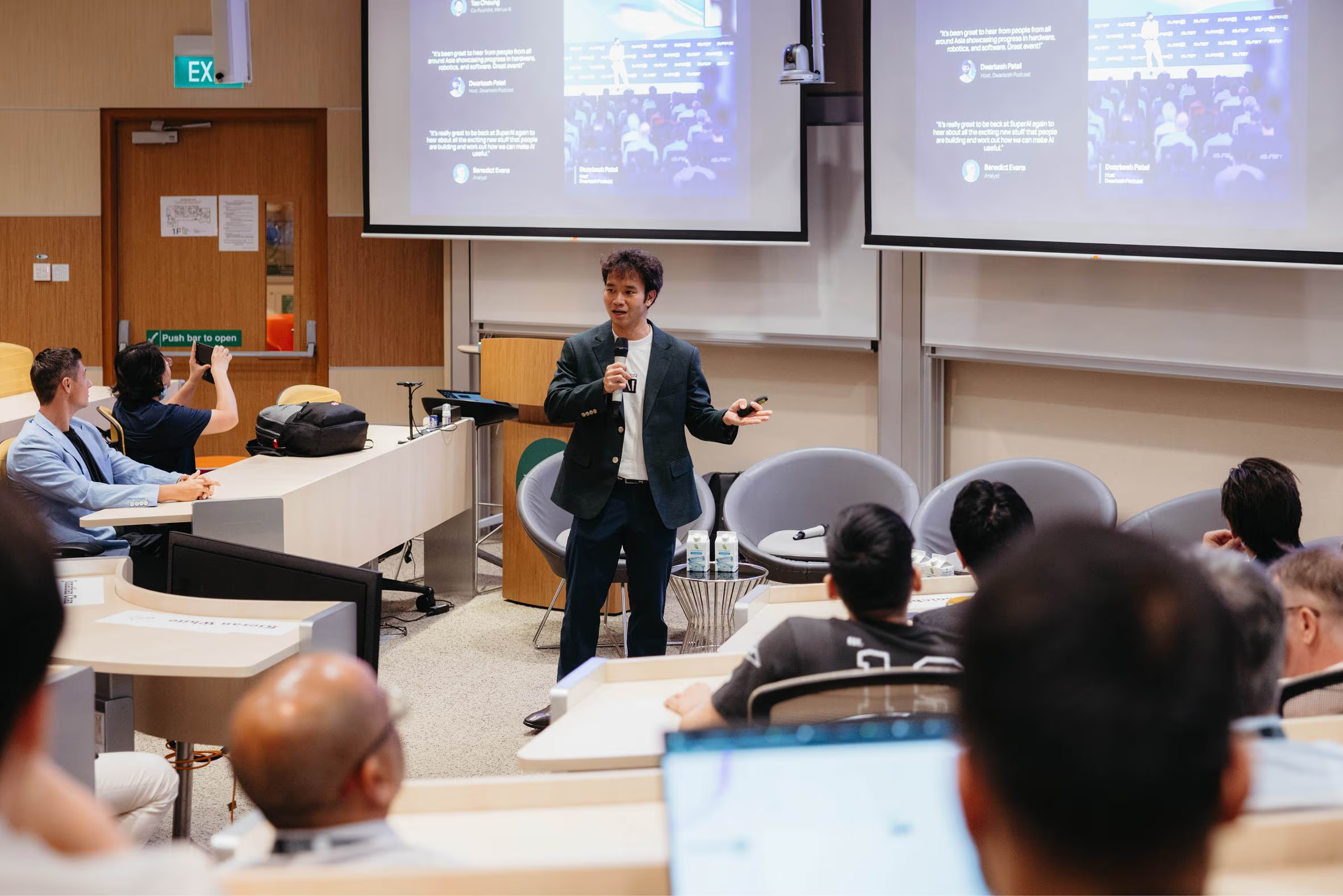
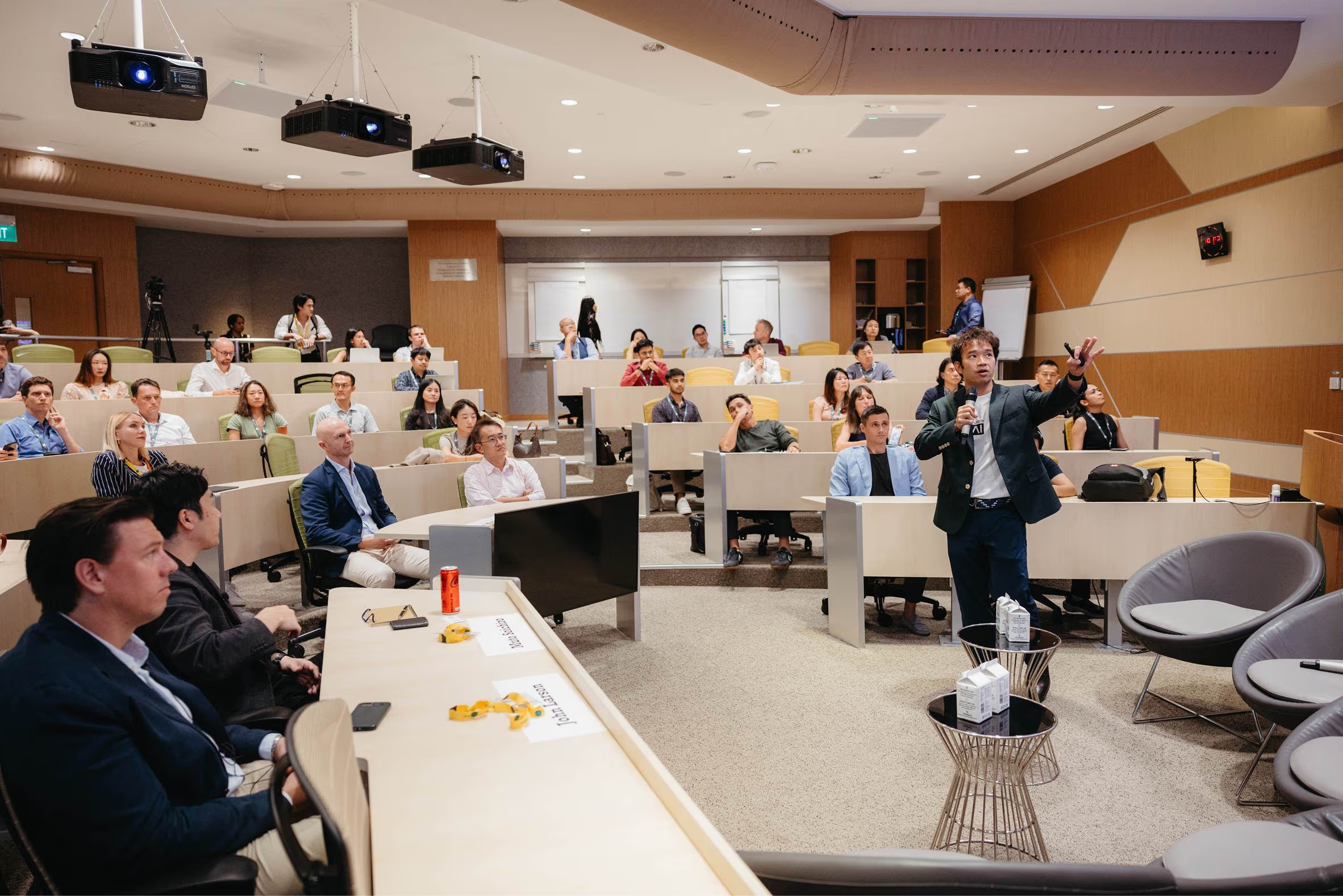
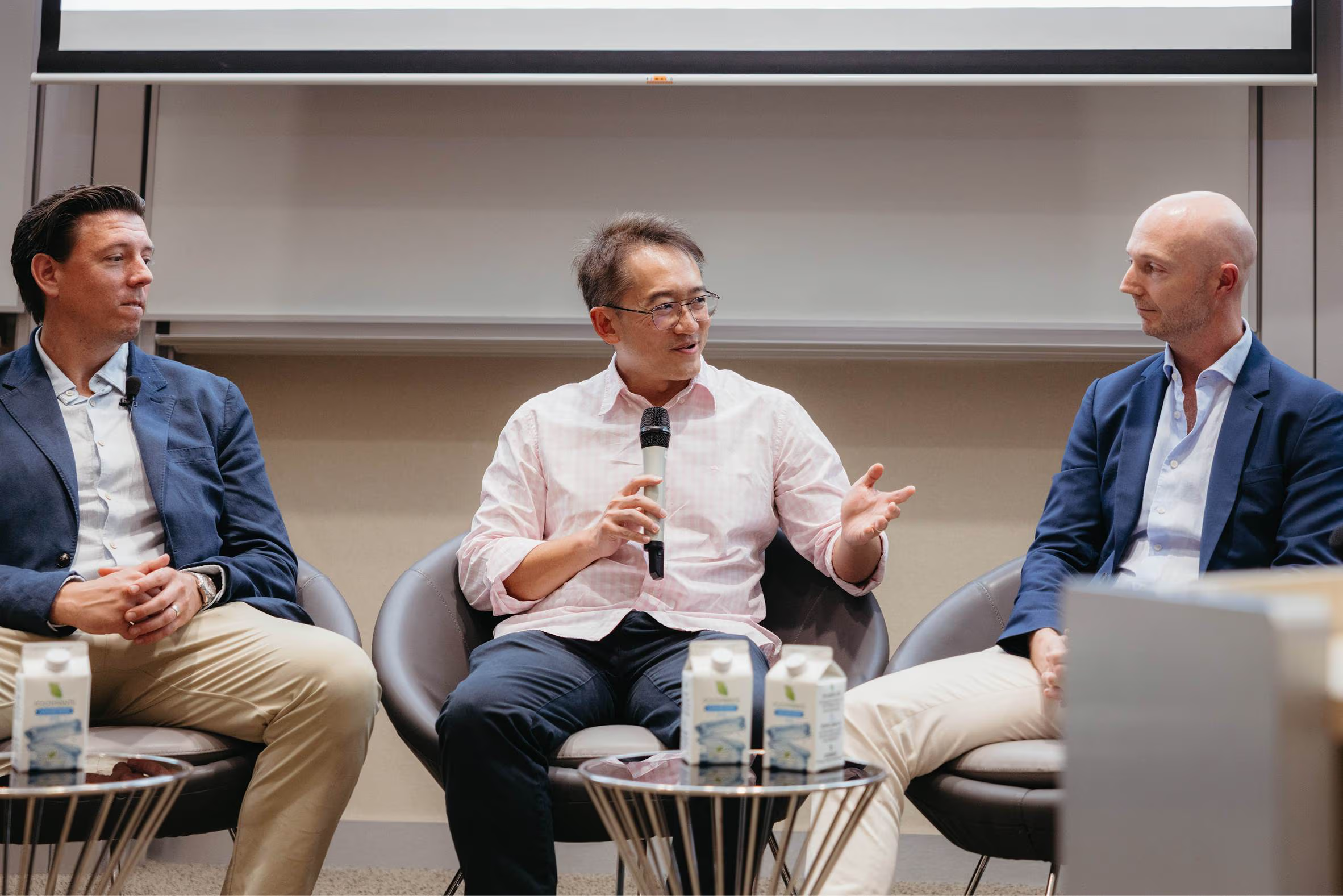
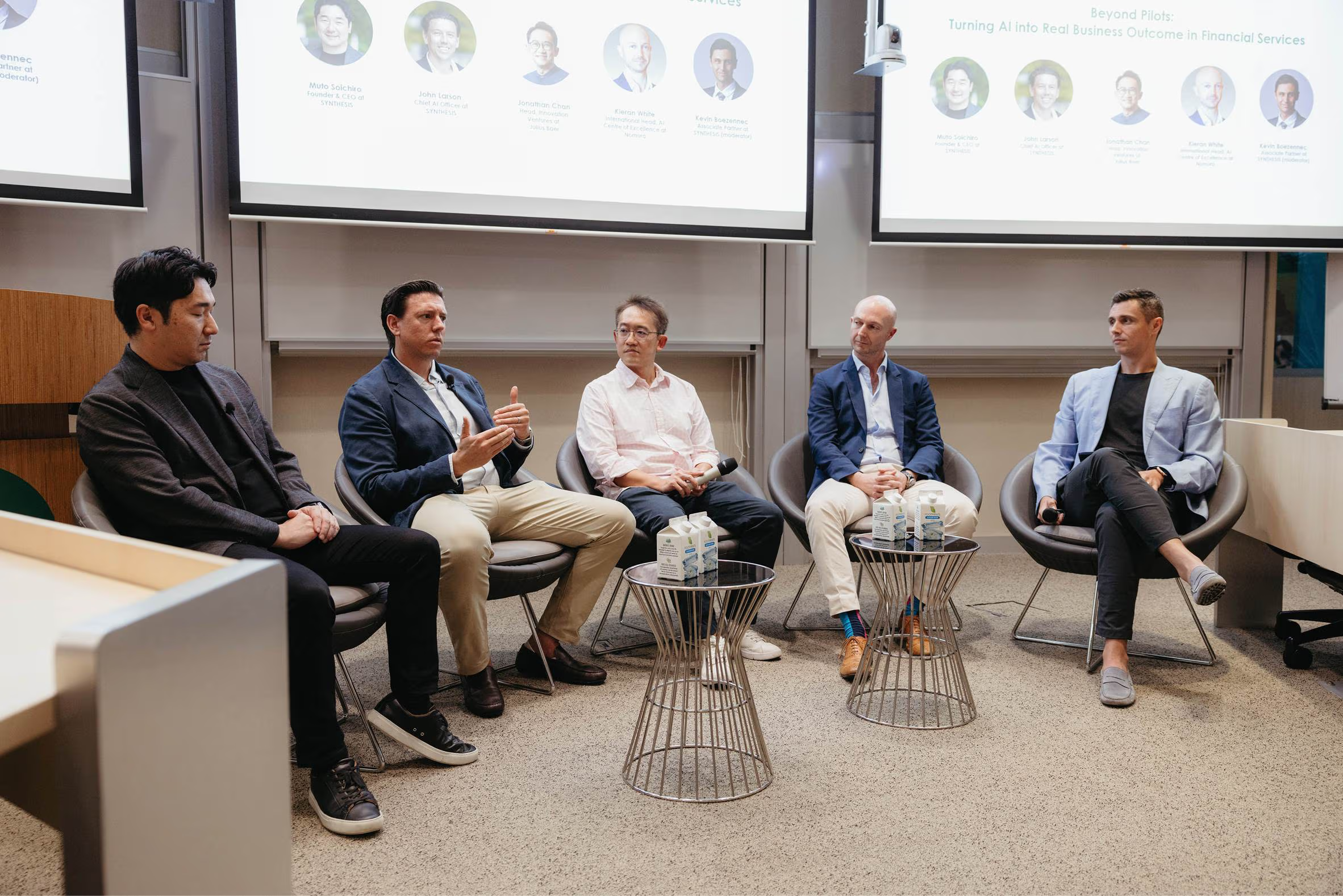
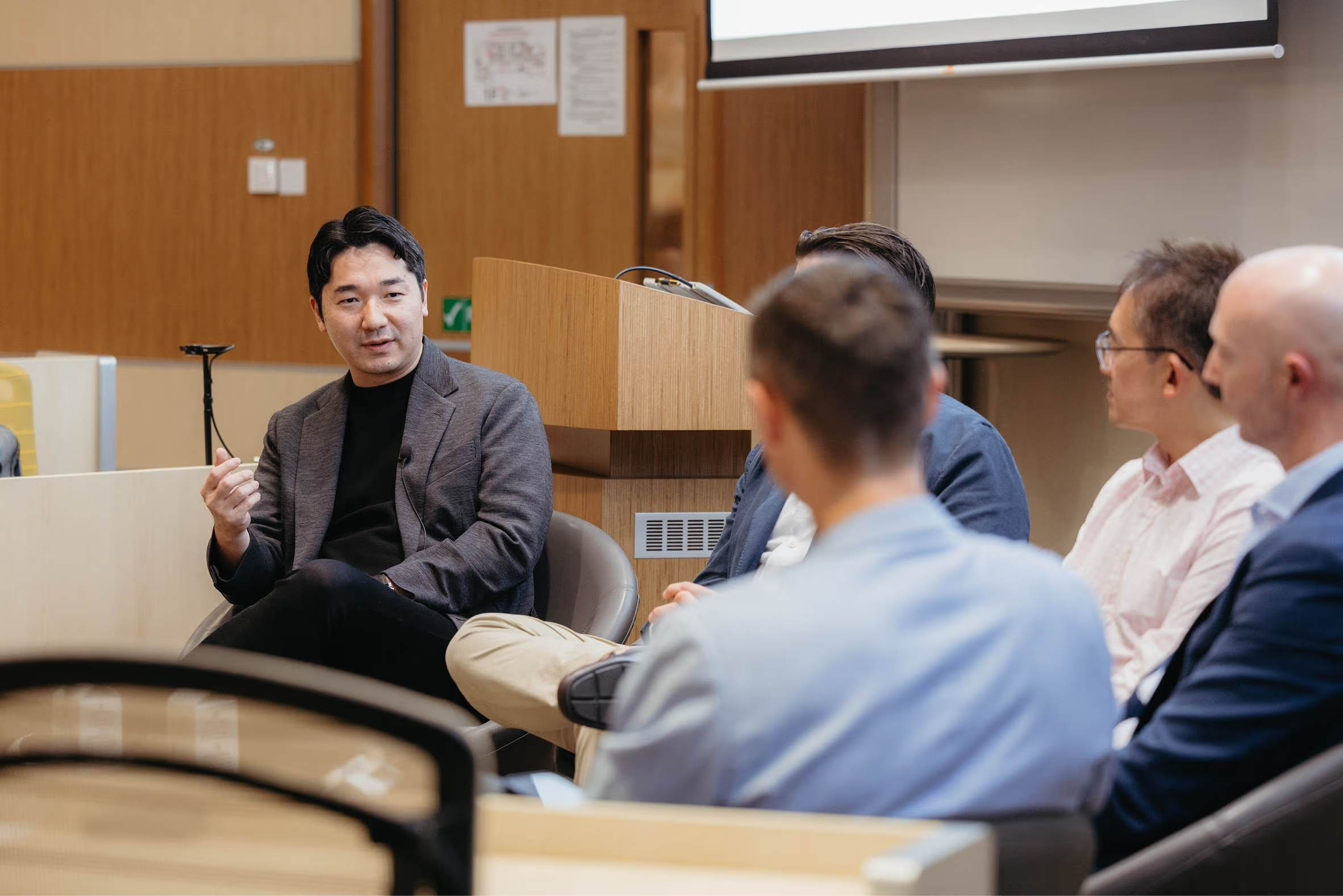





SuperAI partnered with INSEAD and SYNTHESIS to host an executive-level forum in Singapore on what it takes to move AI from experimentation to real business outcomes in financial services. Held on 11 March 2026, the invite-only session brought together senior leaders from banking, wealth management, and consulting for a candid discussion on the barriers and breakthroughs shaping enterprise AI adoption.
The panel featured Muto Soichiro (Founder and CEO, SYNTHESIS), John Larson (Chief AI Officer, SYNTHESIS), Jonathan Chan (Head of Innovation Ventures, Julius Baer), and Kieran White (International Head, AI Centre of Excellence, Nomura), moderated by Kévin Boëzennec of SYNTHESIS.
A clear theme emerged early: AI adoption is already widespread, but proving its value remains difficult. At Nomura, more than 23,000 employees are actively using AI, with use cases ranging from document processing to pricing workflows that have reduced hours of work to minutes. Julius Baer has taken a different approach, building its own AI platform to ensure data security, including an investment insights engine that gives relationship managers instant access to the firm’s knowledge base. Despite these advances, both organizations acknowledged that while productivity gains are evident, quantifying precise economic impact is still a challenge.
The discussion also highlighted the persistent gap between pilot and production. While generative AI has dramatically reduced the time required to build prototypes, governance and validation processes have not kept pace. At Julius Baer, every use case goes through structured approval stages, while Nomura is shifting toward risk-based frameworks that allow lower-risk applications to move faster. The consensus was clear: the bottleneck is no longer technical capability, but operational readiness.
John Larson framed the issue more fundamentally. Most AI initiatives fail not because of the technology, but because they focus on optimizing individual tasks rather than redesigning entire workflows. The real opportunity lies in rethinking how work gets done, using AI to fundamentally change processes rather than simply accelerate them.
On talent, panelists challenged the narrative of a shortage. The issue is not access to talent, but how organizations train, retain, and deploy it. Both firms have invested heavily in internal enablement, combining structured training programs with embedded change management teams and hackathons that double as talent pipelines.
Perhaps the most important shift discussed was the role of governance. Rather than slowing progress, well-designed governance frameworks can accelerate adoption by providing clarity and reducing risk. As AI capabilities continue to evolve rapidly, organizations that align technology with operating models and clear decision-making structures will be best positioned to capture real value.